Let’s be real: your home isn’t just a place to crash. It’s your office, your gym, your sanctuary, and sometimes, your biggest distraction. We’ve all been there – trying to focus on a big project with a pile of laundry glaring from the corner, or winding down for the night under harsh overhead lights that scream “daytime!”
But what if you could transform your US living space into a powerhouse for peak focus and emotional resilience without tearing down a single wall or draining your savings? What if a few strategic micro-adjustments could dramatically reduce distraction and build a sanctuary for mental fortitude?
At EfficiencyAddict.com, our mission is to maximize output (results, time, joy) while minimizing input (time, money, effort). And believe me, your home environment is a huge input. An unoptimized space saps your energy, chips away at your concentration, and can leave you feeling perpetually on edge. The good news? The solution doesn’t require a costly renovation. It’s about smart, zero-effort home design changes that leverage current trends and technology to transform your everyday life.
Ready to unlock your home’s hidden potential for well-being and productivity? Let’s dive into the “Zen Zone Zero-Effort” system.
1. The Circadian Symphony: Master Your Home Office Lighting for Focus & Energy
Lighting is perhaps the single most overlooked, yet powerful, tool in your home redesign arsenal. Think about it: our bodies are hardwired to respond to light. Modern research, like that highlighted in AD PRO’s 2025 interior design forecast, confirms that smart lighting systems that follow our body’s natural rhythms (circadian rhythms) are a growing priority for mental health. They can “enhance productivity, reduce stress, and promote better sleep.”
The Zero-Effort Play:
- Embrace Dynamic Lighting: Ditch static, one-size-fits-all lighting. Your goal is to mimic natural daylight. In the morning, aim for brighter, cooler white light (around 5000K-6500K) to boost alertness and focus. As the day progresses, gradually shift to warmer, dimmer tones (2700K-3000K) to signal relaxation and prepare your body for sleep.
- Smart Bulb Solutions: You don’t need to rewire your house. Affordable smart home products like Philips Hue White and Color Ambiance bulbs or Lumary Smart Lights are plug-and-play. They offer customizable settings, energy savings, and integrate with smart assistants like Alexa or Google Assistant. A starter pack of Philips Hue bulbs can be found for under $100, and Lumary offers even more budget-friendly options, making affordable smart lights accessible for everyone.
- Smart Dimmers for Existing Fixtures: If you’re not ready for smart bulbs, a smart dimmer switch (like the Lutron Caséta, often around $70) can transform any regular fixture into a mood-setter. It’s a fantastic zero-effort way to control intensity and create specific lighting zones.
By simply changing how your light bulbs behave, you’re not just illuminating a room; you’re orchestrating your mood, energy, and cognitive function. It’s an incredible boost to productivity and overall well-being.
2. Color Your Calm: Cultivate Emotional Resilience with Intentional Palettes
Remember the reign of stark white, minimalist interiors? Experts predict we’re moving away from that, and for good reason. Dwell’s 2026 trends suggest “a movement away from anything white” towards “interiors that feel warmer, darker, and more expressive, ones that favor moody atmosphere over brightness and tactility over seamless finishes.” HHS Designer’s 2025 blog reinforces this, noting a trend towards “warmer, subdued colors” because “color theories… dictate which colors have soothing qualities.”
The Zero-Effort Play:
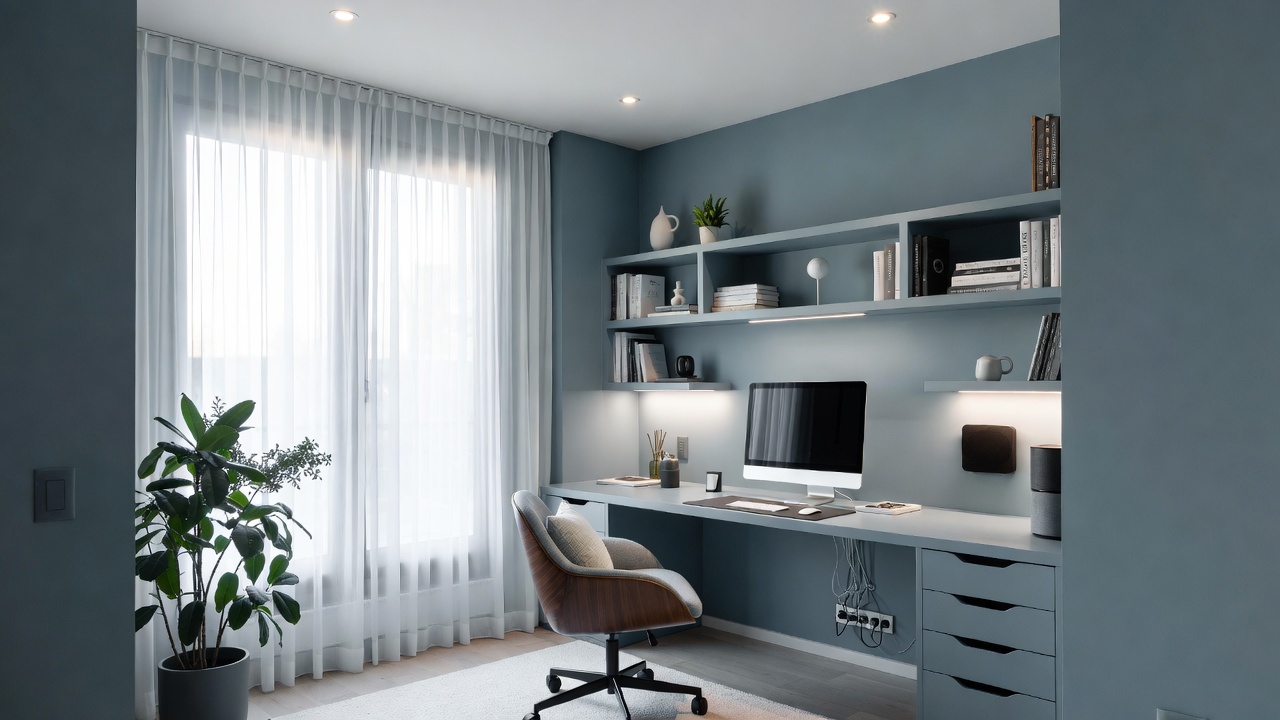
- Start Small with Strategic Pops: You don’t need to repaint your entire home. For a zero-effort home design hack, introduce “calming colors” through textiles, artwork, and accessories. Think muted blues, soft greens, or earthy neutrals in throw pillows, blankets, or even a new desk organizer. These hues are known to reduce stress and foster a sense of tranquility, crucial for emotional resilience.
- Embrace Warmer Hues: For common areas, lean into the trend of warmer color palettes. This doesn’t mean bright orange! It means richer, deeper tones that feel cozy and inviting. A recent YouTube trends video (2026) mentioned “color drenching” (ceiling, walls, floor, furniture all the same color) as a beautiful but sometimes too-dark option for bedrooms without big windows. So, experiment cautiously! A darker accent wall, or even just darker curtains, can create that moody atmosphere without overwhelming a smaller space.
- Test with Swatches: Before committing to painting, grab a few paint samples (often just $5-$10 each) and paint small swatches on your wall. Observe them throughout the day in different lighting conditions. This minimal effort step saves you from a full-room color regret.
These shifts create an environment that actively supports your mental state, gently nudging you towards calm and focus when you need it most.
3. Zone In, Tune Out: Strategic Furniture Placement & Sound Solutions
Ever feel like your living room is just… one big open space? Or that your home office is constantly interrupted by household noise? You’re not alone. Forbes’ 2026 trends note that “young adult clients are asking to create functional spaces that support their mental health and work-life balance,” often by designing offices with “calming colors, ergonomic furniture, and plants to purify the air.” They’re also seeking “sound-insulated solutions to create quieter spaces.”
The Zero-Effort Play:
- Define Your Zones: Even in an open-concept layout, you can create distinct “zones” using existing furniture. A large rug can delineate a living area from a dining space. A strategically placed bookshelf or a decorative screen can carve out a mini-office nook. This isn’t about building walls; it’s about visual separation to reduce distractions and create functional spaces.
- Desk Placement Matters: For your work zone, position your desk to face a wall (reducing visual clutter) or a window with a pleasant view (if available). Avoid facing high-traffic areas where every passing family member becomes a distraction. This is a classic strategic furniture placement trick that costs nothing.
- Hush the Noise: True soundproofing can be pricey, but sound-insulated solutions can be surprisingly simple.
- Textiles: Heavy curtains, thick rugs, and upholstered furniture naturally absorb sound.
- Plants: Large, leafy indoor plants (like a Fiddle Leaf Fig or a Snake Plant) not only purify the air (as mentioned in the Forbes article) but also add a subtle acoustic buffer.
- White Noise: A simple fan or a white noise machine can effectively mask distracting sounds.
- Headphones: For deep work, a good pair of noise-canceling headphones (even affordable ones) is a game-changer.
- Declutter Daily: A cluttered space creates a cluttered mind. Spend 5-10 minutes at the end of each day putting things back in their place. This isn’t “cleaning”; it’s mental hygiene, a zero-effort habit that pays huge dividends in peak focus.
By thoughtfully arranging your space and mitigating noise, you’re building an environment that respects your need for uninterrupted thought and calm.
4. Visualize Your Zen: Leverage AI Home Design Tools (Free/Low-Cost)
The biggest hurdle for many when contemplating changes is visualizing the outcome. Will that couch really fit there? How will that paint color look? Traditionally, this required expensive designers or hours of moving heavy furniture. But not anymore! As Decor8.ai’s 2025 guide points out, AI-powered home design tools let you “achieve polished, professional results without needing years of design expertise.”
The Zero-Effort Play:
- Digital Experimentation: Before you move a single piece of furniture or buy a can of paint, leverage AI. Tools like NewRoom.io, RoomGPT, and Spacely AI (many of which offer free tiers or credits, according to NewRoom.io’s 2024 review) allow you to upload photos of your current space.
- Virtual Staging on a Budget: These tools excel at virtual staging, letting you experiment with different furniture layouts, color schemes, and decor items in seconds. You can see how that L-shaped couch fits, or what a darker accent wall would look like, all from your phone or computer.
- No Cost, All Reward: Apartment Therapy tried 13 free AI interior design tools and found some truly useful options. It’s a fantastic low-cost way to “try before you buy” and make informed decisions, ensuring your home redesign efforts are truly efficient.
This technology removes the guesswork and decision fatigue, allowing you to confidently plan your micro-adjustments and see the potential for peak focus and emotional resilience unfold right before your eyes.
Your “Zen Zone Zero-Effort” Quick Start Guide:
Feeling overwhelmed? Don’t be! Pick one thing from this list and implement it this week:
- Light Swap: Replace one harsh light bulb in your primary focus area with a smart, tunable LED bulb (e.g., a Philips Hue White and Color Ambiance).
- Color Pop: Buy a throw pillow or a small piece of art in a muted blue or green to place in your relaxation zone.
- Desk Shift: Reorient your desk to face a wall or a window, away from high-traffic areas.
- AI Peek: Download NewRoom.io or RoomGPT and upload a photo of one room. Play around with a new layout or color palette for 15 minutes.
The Bottom Line: Your Home, Your Sanctuary
Your home is more than just four walls and a roof; it’s a dynamic environment that profoundly shapes your mind and mood. By implementing these zero-effort home design principles – focusing on smart lighting, calming colors, strategic layouts, and leveraging AI – you’re not just decorating. You’re proactively creating a space that optimizes your productivity, enhances your emotional resilience, and maximizes your daily joy.
It’s time to stop letting your environment dictate your mood and start designing a “Zen Zone Zero-Effort” space that works for you. No renovation required, just smart, intentional choices.