With power prices still stinging across Sydney and beyond in 2026, that hot water system in your laundry or garage is likely quietly chewing through 15-30% of your household energy—second only to heating/cooling in many homes (straight from energy.gov.au). That’s a fair chunk of your quarterly bill going down the drain for showers, dishes, and laundry.
The ripper news? You can claw back serious cash—often $100–$200+ a year—with tweaks that need zero tools, no sparky call-out, and barely any effort. We’re talking smarter timing, a quick dial tweak, and daily habits. No replacing the system (yet—though heat pumps + solar are smashing it for big wins).
Let’s crack into the three biggest no-fuss opportunities to stop overpaying for hot showers.
Why Hot Water is a Massive Energy Hog (and Your Best Shot at Easy Wins) Hot water accounts for up to 30% of household energy and a big slice of emissions in the average Aussie home. Many systems run on “set and forget,” heating whenever, even during peak rates. With more of us on time-of-use (TOU) tariffs and smart meters rolling out, shifting to cheap off-peak or solar windows is low-hanging fruit. Controlled load tariffs (common for big electric tanks) already give discounted overnight rates—check if you’re on one!
Tweak 1: Nail Your Off-Peak Timing – The Biggest Money-Saver Shift heating to the cheapest times—no rewiring needed.
In Australia, off-peak/controlled load rates crush peak ones. NSW examples: off-peak often ~18–30c/kWh vs peak pushing 50–70c+. A typical electric system on off-peak might run $275–$400/year vs $400–$500+ on standard/peak.
How to do it (no tools!):
- Grab your latest bill—look for “Controlled Load”, “Off-Peak”, or TOU breakdowns.
- Ring your retailer (free call!) to confirm your tariff and exact off-peak windows (usually 10pm–7am in NSW, varies by state).
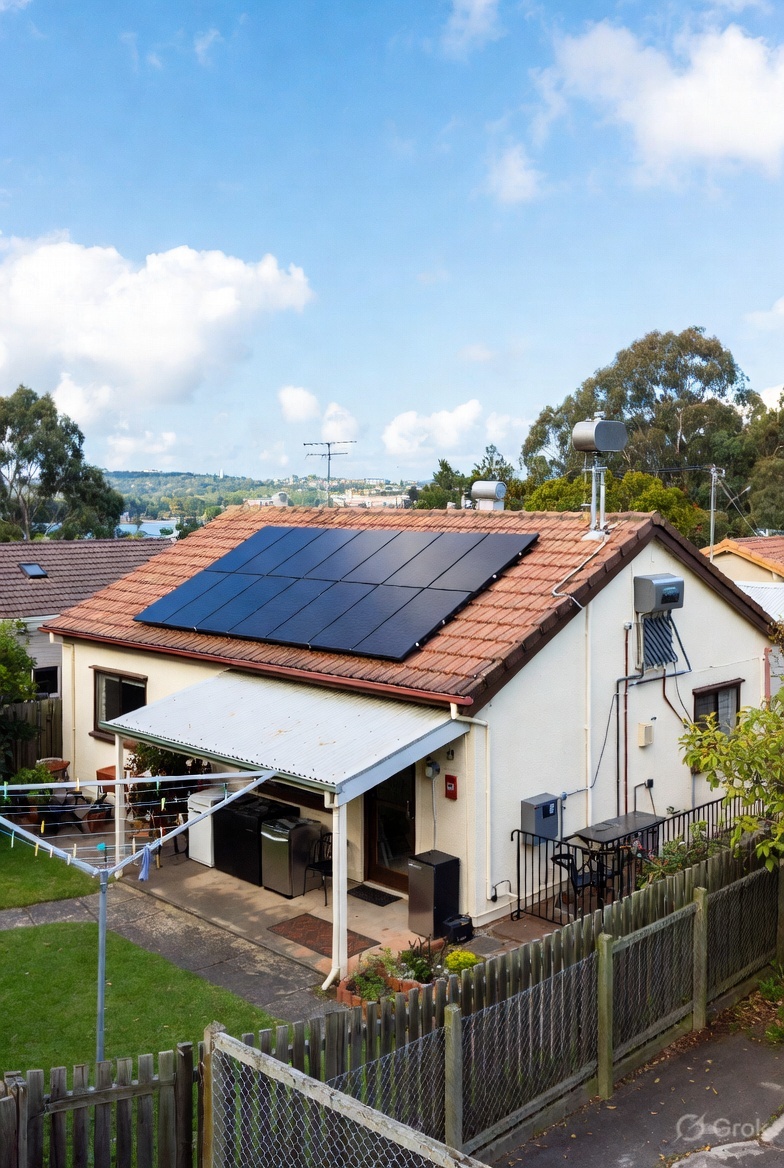
- If solar: Heat midday (10am–3pm) to guzzle your own free power—studies show self-consumption can jump from ~30% to 80%+ with timed heating.
- Aim for one full heat cycle a day in the cheapest window. Use residual heat for mornings; avoids constant reheating and standby losses.
Pro tip: Shift dishwasher/laundry to off-peak too. Small habit change = big dollars.
Tweak 2: Dial in the Goldilocks Temperature – Safe, Efficient, Longer-Lasting Most electric storage systems leave the factory at 70–80°C—way too hot, wasting energy via standby losses and stressing the unit.
The safe Aussie sweet spot: Store at 60°C minimum (kills Legionella bacteria, per QLD Health and national plumbing standards). With a tempering valve (required in most homes), taps deliver max 50°C to avoid scalds.
No-tools tweak:
- Pop the access panel (usually clips or thumbscrew at base).
- Find the thermostat dial—turn down to 60°C.
- Test for a few days: Enough hot water? Nudge up if needed (don’t go below 60°C storage).
Bonus: Lower temp = less wear on element/tank = potentially years extra life. Safety first—if unsure, get a licensed tradie.
Tweak 3: Smarter Daily Habits – The Zero-Cost Multiplier These compound fast:
- Shorter showers: Cut 1–2 mins each = huge savings (hot water’s biggest user).
- Cooler (but comfy) showers + stagger use (wait after one long shower before dishwasher).
- Full loads only for dishwasher/washing machine.
- Quick visual checks: Dripping taps? Fix ASAP (leaks force extra reheating). Pipes insulated? Great—reduces losses.
- Eco/cold cycles on appliances that heat their own water.
The Real Payoff in 2026 Stack these tweaks and you’re looking at noticeable bill drops, a longer-lasting system, and lower emissions. In a year of high bills, every dollar counts. Start with your bill check today—your wallet (and the planet) will love it.
What’s your biggest hot water bugbear? Drop a comment below or share your savings wins. For more tips, hit energy.gov.au or your state’s energy site.